Osteoarthritis
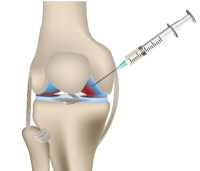
At our hospital, we provide treatment for osteoarthritis using Platelet-Rich Plasma (PRP).
For this therapy, we have formulated a “Type II Regenerative Medicine Plan,” which has been reviewed by the Certified Regenerative Medicine Committee and submitted to the Minister of Health, Labour and Welfare.
Regenerative Medicine Plan Provision Number: PB5210003
Regenerative Medicine PRP Therapy (Self-Funded Treatment)
*All regenerative medicine treatments for osteoarthritis using Platelet-Rich Plasma (PRP) are provided as self-funded (out-of-pocket) care.
What is PRP (Platelet-Rich Plasma)?
Platelets contain components that promote tissue repair.
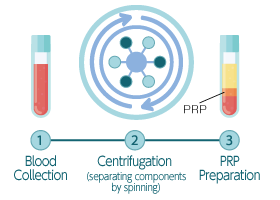
PRP (Platelet-Rich Plasma) is a concentrated preparation of these platelets, activated into a gel-like state.
PRP is rich in various growth factors, which support cell growth and help stimulate tissue repair.
What is PRP Therapy?
PRP therapy is a type of regenerative medicine.
Regenerative medicine is a treatment method that uses cells to enhance the body’s natural “healing power.”
When PRP, prepared from the patient’s own blood, is injected into the affected area, the various growth factors contained in platelets are believed to stimulate the body’s inherent natural healing response and promote recovery.
About Consultations
01Consultation
We will confirm whether your condition is likely to benefit from PRP therapy.
Depending on the course of your illness and your symptoms, we may recommend other treatment options that are more suitable before considering PRP therapy.
02Cost
Please contact us for pricing information.
In principle, consultation fees are included.
Follow-up visits (at 1 month, 3 months, 6 months, and 12 months) may involve additional costs for knee X-rays or medication prescriptions, which are billed separately as self-funded treatment.
If any issues occur after treatment under the Regenerative Medicine Plan, we will provide appropriate support, so please consult us.
Note: For PRP treatment received on a self-funded basis, all related care (such as follow-up monitoring and subsequent medication) will also be charged as self-funded treatment.
03Treatment Effects and Benefits
Since PRP therapy uses the patient’s own blood, the risk of side effects such as infection or allergic reactions is extremely low.
- PRP can be prepared easily from the patient’s own blood, making it possible to perform as an outpatient (day) procedure.
- Because the treatment is completed with blood collection and injection, there is no upper age limit.
- Minimal scarring remains, allowing the treatment to be repeated if necessary.
- If the regenerative effect of a single injection works effectively, long-term benefits can be expected for pain reduction and functional improvement.
(According to overseas clinical trials, the GPSIII system showed sustained effects for up to 6–12 months, and the APS kit for up to 24 months.)
04Limitations and Side Effects of Treatment (Disadvantages)
- Since PRP uses the patient’s own blood, results may vary depending on individual health condition and age. In some cases, stable effects may be difficult to achieve.
(The degree and duration of effectiveness vary from person to person.) - Pain may occur during injection at the treatment site.
- Bruising may occur at the blood collection site or injection area.
*Swelling, pain, fever, and internal bleeding may occur after injection, but these are usually temporary. If symptoms become severe, please consult us. To help relieve swelling or heat quickly, cooling (icing) is recommended.
05Patients Who Cannot Receive PRP Therapy
- Currently undergoing cancer treatment
- Have an active infection
- Have a fever
- Have drug allergies
- Taking immunosuppressive medication
06Treatment Process
- Blood is drawn to prepare PRP. (This takes about 30 minutes.)
- PRP is injected into the affected area, distributed around the site. Some pain may be experienced.
- In rare cases, patients may feel pain strong enough to make walking difficult, but after resting for about 10 minutes, they can usually walk home.
- There is no need for immobilization or strict rest after the injection, but please refrain from strenuous exercise.
- Painkillers may be prescribed if necessary, but since inflammation is part of the healing and tissue repair process, the use of anti-inflammatory analgesics is kept to a minimum.
07Post-Treatment Progress
Treatment effects vary between individuals.
| 3–4 days after treatment | Dull pain and swelling may persist. This is the period when stronger pain may appear. |
|---|---|
| 1 week after treatment | Pain begins to subside and the effects start to be noticeable. You can gradually increase the intensity of physical activity. Resuming sports is also possible. |
| 1 month after treatment | Pain has usually disappeared completely, allowing you to move your body freely. Symptoms improve significantly as the pain fully resolves. |
Consultation Days
Monday and Thursday mornings
*By appointment only. The first visit is for consultation only, where we will explain the treatment options. For details, please contact us by phone.
PRP therapy is a self-funded treatment and is not covered by public insurance.
If you wish to receive PRP therapy, please contact the Orthopedic Surgery Department at ISEIKAI International General Hospital.
For Appointments & Inquiries
ISEIKAI International General Hospital – Orthopedic Surgery
international-division@holonicsystem.com