

Center Director,
Center for Promoting Treatment of Intractable Diseases
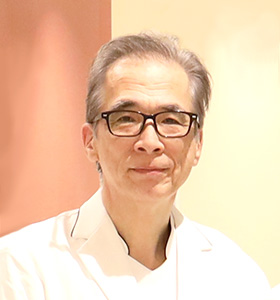
Keiichi Ozono,MD
Intractable diseases are generally defined as conditions that affect approximately one in several thousand people. In the past, these diseases were often difficult to diagnose and lacked effective treatment options. However, in recent years, significant advances have been made in both diagnosis and treatment, driven by the expansion of genetic testing and the development of therapies such as enzyme replacement therapy.
In addition, public medical expense subsidy programs—such as those for pediatric chronic diseases and designated intractable diseases—have been steadily enhanced. Our Center is dedicated to advancing the care of intractable diseases, with a primary focus on skeletal disorders, endocrine disorders, and congenital metabolic diseases. At the same time, the development of new treatment modalities is actively progressing, and we are establishing the necessary systems to participate in clinical trials.
Furthermore, our Center serves as a liaison for collaboration with governmental agencies and as a point of contact for engagement with patient advocacy groups. Through our contributions to research in rare diseases, specialized medical care, and genomic medicine, we aim to extend support and hope to the many patients suffering from rare and intractable conditions.
Center Director,
Center for Promoting Treatment of Intractable Diseases
Keiichi Ozono,MD
Deputy Center Director,
Center for Promoting Treatment of Intractable Diseases
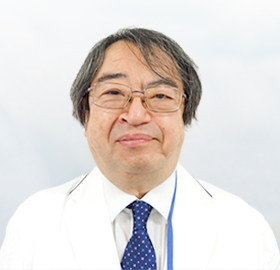
Norio Sakai,MD
My name is Norio Sakai, Deputy Director of the Center for Promoting Treatment of Intractable Diseases. I have long been engaged in research and clinical practice specializing in congenital metabolic disorders, congenital anomalies, and hereditary diseases. At our Center, we are committed to proactively providing medical care for patients with rare and intractable diseases.
In particular, with regard to lysosomal storage disorders—of which 31 conditions are designated as intractable diseases—we aim to implement specialized diagnostic approaches using enzyme-based diagnostics, as well as to actively provide advanced therapies such as enzyme replacement therapy, chaperone therapy, and substrate reduction therapy.
Furthermore, as many intractable diseases are hereditary, genetic counseling for patients and their families is of great importance. We therefore plan to actively provide genetic counseling services at our hospital. We appreciate your continued support.
Deputy Center Director,
Center for Promoting Treatment of Intractable Diseases
Norio Sakai,MD
Center for Promoting Treatment of Intractable Diseases
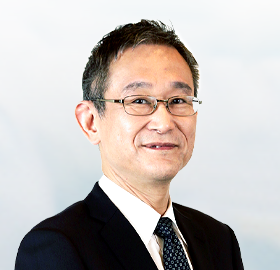
Yasuo Imanishi,MD
I am responsible for the care of adult metabolic bone diseases. In addition to rare bone disorders such as rickets, osteomalacia, osteogenesis imperfecta, and Paget’s disease of bone, I also provide evaluation and treatment for severe osteoporosis.
In cases of severe osteoporosis, secondary osteoporosis caused by underlying conditions—such as endocrine disorders—may be present. Therefore, appropriate control of the underlying disease is essential for effective improvement of osteoporosis.
I am currently affiliated with the Department of Bone and Endocrinology at Osaka Metropolitan University Hospital. In parallel with my role at the university hospital, I am committed to providing specialized care for adult rare bone diseases and severe osteoporosis at this Center.
Center for Promoting Treatment of Intractable Diseases
Yasuo Imanishi,MD
Center for Promoting Treatment of Intractable Diseases
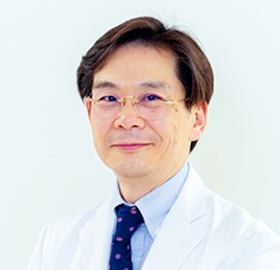
Noriyuki Namba,MD
I am engaged in the care of pediatric rare and intractable diseases, with a particular focus on hereditary endocrine disorders, endocrine manifestations associated with genetic diseases, and skeletal dysplasias.
Until recently, treatment for rare diseases was largely limited to symptomatic management. However, advances in molecular genetics have made it possible in many conditions to achieve precise genetic diagnoses and to implement therapies that optimize the function of disease-causing molecules. It is expected that such treatment approaches will continue to expand further in the future.
I am currently affiliated with the Department of Bone and Endocri nology at Osaka Metropolitan University Hospital. In parallel with my role at the university hospital, I am committed to providing specialized care for adul t rare bone diseases and severe osteoporosis at this Center.
Center for Promoting Treatment of Intractable Diseases
Noriyuki Namba,MD
Department Director,
Department of Pediatrics

Aya Narita,MD
I am engaged in research and clinical practice specializing in congenital metabolic disorders and pediatric neurological diseases.
Together with Dr. Sakai, I am particularly committed to advancing the care of lysosomal storage disorders, not only through routine clinical practice but also by applying biochemical diagnostic methods and participating in the development of novel therapies, including clinical trials, based on my experience at the university level.
I hope to contribute, even in a small way, to helping patients and their families live their daily lives with peace of mind and to support them in achieving their personal goals. Thank you for your continued support.
Department Director,
Department of Pediatrics
Aya Narita,MD
Senior Department Director,
Department of Dermatology
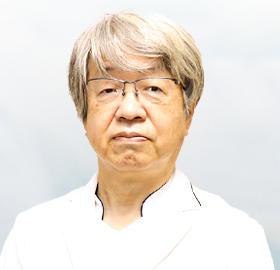
Isei Taiki,MD
Among intractable diseases in which dermatological manifestations are the primary features, more than a dozen conditions—including blistering disorders, severe drug eruptions, and connective tissue diseases—are legally designated as intractable diseases under the category of skin and connective tissue disorders. However, there are many additional rare diseases in which skin manifestations play a critical role in diagnosis and treatment, including congenital disorders and metabolic diseases.
In recent years, the development of molecular targeted agents and antibody-based therapies has expanded treatment options for an increasing number of conditions. However, at the same time, there remain many cases in which dermatologic symptoms require surgical intervention or operative management involving dermatologic or plastic surgery.
Our department is actively engaged in the diagnosis and treatment of intractable diseases presenting with dermatological symptoms. If you or your patients are experiencing difficulties, we would welcome consultations through your local medical referral channels.
Senior Department Director,
Department of Dermatology
Isei Taiki,MD
Center Director,
Center for Promoting Treatment of Intractable Diseases
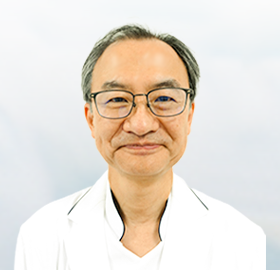
Hirokazu Sakamoto,MD
At the Department of Otolaryngology of the Center for Promoting Treatment of Intractable Diseases at Iseikai International General Hospital, we provide advanced medical care for a wide range of rare and intractable ear, nose, and throat disorders. In particular, we take an active approach to intractable diseases accompanied by hearing loss, striving to deliver the most appropriate diagnosis and treatment tailored to each individual patient. For conditions such as progressive hearing loss, hereditary hearing loss, and other rare auditory disorders, we conduct comprehensive evaluations and provide care utilizing the latest medical technologies.
We also place strong emphasis on genomic medicine, including genetic testing, to aid in identifying disease causes and predicting prognosis. Our department offers specialized genetic counseling, supporting patients and their families by addressing their concerns while simultaneously engaging in research aimed at exploring future therapeutic possibilities.
Through close collaboration with multidisciplinary teams, we deliver personalized medical care and comprehensive support, with the goal of improving the quality of life for patients suffering from rare and intractable diseases. Leveraging our expertise in otolaryngology, we will continue to contribute to the advancement of both community-based healthcare and intractable disease medicine.
Center Director,
Center for Promoting Treatment of Intractable Diseases,Department of Otolaryngology
Hirokazu Sakamoto,MD
Senior Department Director,
Department of Cardiology
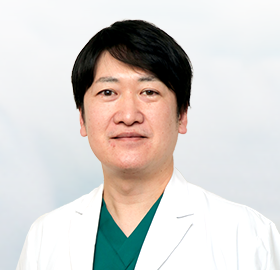
Yasuyuki Toyama, MD
In the field of cardiovascular medicine, intractable diseases include various forms of cardiomyopathy—such as idiopathic dilated cardiomyopathy and hypertrophic cardiomyopathy—as well as pulmonary hypertension and Buerger’s disease. All of these conditions require early and thorough evaluation, prompt diagnosis, and timely therapeutic intervention.
For example, idiopathic dilated cardiomyopathy is characterized by progressive ventricular dilation and impaired contractility, leading to an increased risk of heart failure and life-threatening arrhythmias. Both genetic and environmental factors are thought to contribute to its pathophysiology, and accurate diagnosis relies on comprehensive assessment using echocardiography, cardiac MRI, and genetic testing. Buerger’s disease, on the other hand, is an ischemic disorder caused by peripheral arteritis, occurring predominantly in young men and, in severe cases, may progress to limb gangrene.
Early smoking cessation is the most critical intervention, and in severe cases, revascularization procedures may be considered. Effective management of these rare cardiovascular diseases requires a comprehensive medical system for early diagnosis and treatment, as well as multidisciplinary, team-based therapeutic planning. At our Center, we provide state-of-the-art diagnostic technologies and advanced treatment options for these rare conditions.
Senior Department Directorr,
Department of Cardiology
Yasuyuki Toyama, MD
Senior Department Director,
Department of Gastroenterology
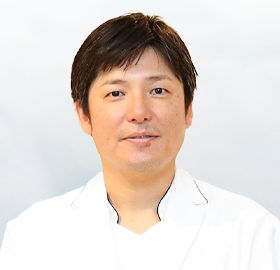
Hideaki Koga, MD
At the Digestive Disease Center, we provide medical care for designated intractable diseases such as ulcerative colitis, Crohn’s disease, autoimmune hepatitis, and primary biliary cholangitis, while maintaining close collaboration between hospitals and community clinics. These rare and complex conditions are often diagnosed at university hospitals or other specialized medical institutions; however, as a designated cooperating hospital for intractable diseases in Osaka Prefecture, we believe our role within the local community is of great importance. These diseases are frequently diagnosed based on symptoms such as chronic diarrhea, bloody stools, abdominal pain, or liver dysfunction.
Although many of these conditions are not curable, advances in treatment have made it possible for an increasing number of patients to lead normal daily lives. Our hospital is fully equipped with dialysis facilities and is able to provide treatments such as G-CAP (granulocyte adsorption therapy), which has relatively few side effects and is actively adopted. At our center, all staff members work together with full dedication to address an even broader range of intractable diseases, and we welcome consultations from a wide range of patients.
Senior Department Director,
Department of Gastroenterology
Hideaki Koga, MD
Senior Department Director,
Department of Neurology

Shizuo Onishi, MD
Neurological intractable diseases can be broadly classified into four categories: chronic progressive neurodegenerative disorders such as Parkinson’s disease, spinocerebellar degeneration, and Alzheimer’s disease; neuroimmunological disorders including multiple sclerosis, neuromyelitis optica, myasthenia gravis, chronic inflammatory demyelinating polyneuropathy, and multifocal motor neuropathy; neuromuscular diseases such as muscular dystrophy and myopathies; and paroxysmal disorders, including epilepsy.
Our hospital is capable of diagnosing and treating all of these conditions. In addition to managing cases with established diagnoses, we also place strong emphasis on patients with unexplained symptoms or undetermined diagnoses. Through careful medical history-taking and detailed neurological examinations, advanced imaging studies such as PET/SPECT, 3T-MRI, and cerebral angiography, as well as electrophysiological tests, EEG, biochemical analyses, and pathological examinations, we strive to achieve accurate and precise diagnoses.
Patients requiring consultation are welcome to contact us through the regional medical collaboration center.
Senior Department Director,
Department of Neurology
Shizuo Onishi, MD
Senior Department Director,
Department of Ophthalmology
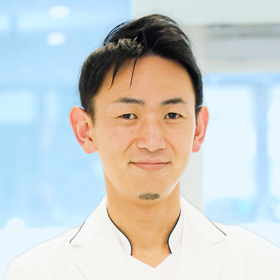
Yoichiro Shinkai, MD
Among eye diseases, there are conditions that progress slowly yet have a significant impact on vision, as well as rare disorders with genetic causes. The Ministry of Health, Labour and Welfare has designated eight ophthalmologic intractable diseases, including retinitis pigmentosa. For these conditions, early diagnosis and appropriate follow-up care and support are extremely important. Our hospital is staffed by physicians with specialized expertise in these rare eye diseases, and we are committed to providing careful, individualized medical care tailored to each patient’s symptoms and living circumstances. Please note that, depending on the case, patients may be referred to more specialized medical institutions for definitive diagnosis or treatment.
Our entire staff is dedicated to providing heartfelt support to help alleviate any anxiety caused by visual difficulties in your daily life. If you have any concerns about your eyes, please feel free to consult with us.
Senior Department Director,
Department of Ophthalmology
Yoichiro Shinkai, MD
Deputy Medical Director,
Department of General Internal Medicine
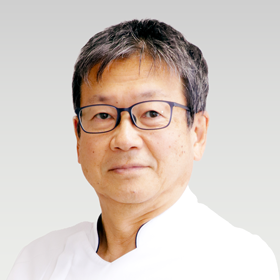
Ryuhei Morita, MD
“Something doesn’t feel right, but I’m not sure which department I should visit,” or “Could these symptoms be signs of a rare disease?”—are you experiencing such concerns? The Department of General Internal Medicine serves as the primary gateway to medical care for patients. We address a wide range of symptoms and carefully evaluate complex medical conditions from an early stage. To reach an appropriate diagnosis, we first take time to listen closely to each patient and conduct a comprehensive assessment of their overall condition. Based on this evaluation, we coordinate referrals to the most appropriate specialized departments as needed. If you are uncertain about your condition or unsure where to seek medical advice, we encourage you to consult our Department of General Internal Medicine. We are fully committed to supporting you so that you can receive medical care with confidence and peace of mind.
Deputy Medical Director,
Department of General Internal Medicine
Center Director
Ryuhei Morita, MD
Center Director,
Gastrointestinal Surgery Center
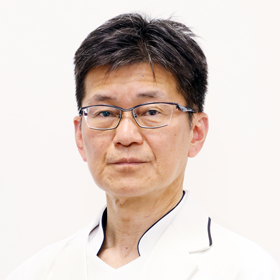
Takeshi Kubota, MD
At Iseikai International General Hospital’s Center for Promoting Treatment of Intractable Diseases, the Department of Gastrointestinal Surgery provides care for conditions requiring surgical intervention among inflammatory bowel diseases, such as ulcerative colitis and Crohn’s disease. While medical therapy is the mainstay of treatment for these conditions, surgery may be necessary in cases where the disease is resistant to medication, when adverse effects prevent continuation of drug therapy, when malignancy is suspected, or when refractory fistulas have developed. In situations where complete resection of the affected intestine is required, total colectomy may be performed, and an ostomy may be necessary. For all such conditions, decisions regarding surgical timing and postoperative follow-up are made through close collaboration among gastroenterologists, surgeons, and the entire medical team. If you are experiencing difficulties or have concerns, we encourage you to consult with us.
Center Director,
Gastrointestinal Surgery Center
Takeshi Kubota, MD
Advisor,
Department of Neurosurgery
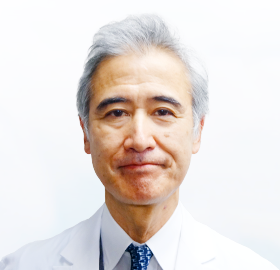
Takuyu Taki, MD
The Department of Neurosurgery at our hospital provides specialized medical care for rare intractable diseases such as neurofibromatosis, von Hippel–Lindau disease, and tuberous sclerosis complex. These conditions may cause various tumors and vascular abnormalities in the brain, spinal cord, and other organs, making individualized, patient-centered treatment planning essential to ensure appropriate care at the right time with consideration for long-term quality of life. In neurofibromatosis, there is a particularly high risk of brain and spinal tumors, such as schwannomas and meningiomas, and we propose optimal treatment strategies based on detailed evaluations. Von Hippel–Lindau disease is characterized by the development of hemangioblastomas in the brain, spinal cord, and retina, making early detection and early intervention crucial. In tuberous sclerosis complex, benign tumors (hamartomas) can develop in multiple organs including the brain, skin, and kidneys, requiring comprehensive care through close collaboration with multiple specialties. Treatment strategies are determined by considering tumor type, size, location, and the patient’s overall condition, and may include careful observation, surgery, radiation therapy, and pharmacological treatment in a multidisciplinary approach. As these conditions have a genetic background, we also provide information to patients and their families, as well as genetic counseling, along with psychological support to help them face treatment with confidence. In addition, we offer information on social and financial support systems and patient support groups. Being diagnosed with a rare disease can be overwhelming, but we are committed to standing by each patient and providing the best possible care. Please feel free to consult us if you have any concerns.
Advisor,
Department of Neurosurgery
Takuyu Taki, MD
Senior Department Director,
Department of Obstetrics and Gynecology

Hiromi Yokota, MD
In recent years, increasing attention has been given to longevity and aging among women. Some older women may feel unwell despite being told that “no specific cause can be identified,” and may visit multiple departments, including internal medicine, out of concern that their symptoms could be the early signs of a serious condition. Yet many ultimately feel discouraged, thinking, “If the cause is unknown and there is no improvement, perhaps it’s just due to aging.” In addition, many older women hesitate to visit a gynecologist—especially for the first time—due to anxiety or concern. However, by finding the courage to seek consultation, it may be possible to identify conditions such as urinary disorders caused by uterine or ovarian prolapse, menopausal symptoms after menopause, or postmenopausal cervical cancer at an early stage, leading to meaningful improvements in quality of life. As obstetricians and gynecologists, we do not only care for women who wish to conceive; we strive to serve as lifelong partner physicians, supporting women in maintaining a comfortable and healthy life throughout all stages of life.
Senior Department Director,
Department of Obstetrics and Gynecology
Hiromi Yokota, MD
Director,
Chest Wall Center

Tomohisa Nagasao, MD
I have made it my life’s work to improve the shape and appearance of the chest and breasts. In fact, a surprising number of people struggle with congenital deformities of the breasts or chest wall (the rib cage). Approximately one in every 200 to 300 people has some concern about the shape of their chest, such as differences in breast size between the left and right sides or a sunken rib cage. Many of these concerns can be improved through surgery.
To provide specialized treatment for these conditions, the Chest Wall Center was newly established at ISEIKAI International General Hospital in July 2026. Many conditions designated as intractable diseases are associated with chest deformities as one of their symptoms. One example is Marfan syndrome, a congenital disorder in which the majority of patients have some degree of chest wall deformity. Female patients may also have associated breast deformities.
Our goal is to correct these deformities using reliable surgical techniques and to help our patients lead happier, more fulfilling lives.
Director,
Chest Wall Center
Tomohisa Nagasao, MD
Please do not hesitate to contact us at any time.
IIGH Emergency Outpatient Services

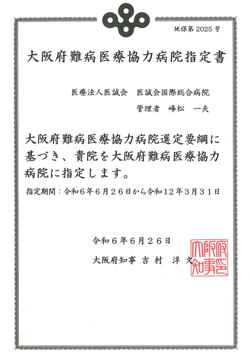
As of June 26, 2024, our hospital has been designated as an Osaka Prefecture Intractable Disease Medical Cooperation Hospital.
We actively admit and treat patients with intractable diseases in collaboration with the “Osaka Prefecture Intractable Disease Medical Care Coordination Hub Hospitals” and the “Osaka Prefecture Intractable Disease Medical Care Specialized Hub Hospitals.”
We also respond to inquiries regarding patients with intractable diseases from local hospitals, clinics, public health centers, and other relevant institutions, and admit patients as needed.