







Disaster Preparedness for Pregnant Women and Families with Children
〜Small Preparations for “Just in Case” Situations〜
In recent years, natural disasters such as earthquakes and typhoons have become more frequent, and situations where “we never know when it may happen” have become part of everyday life. Especially for pregnant women and families with small children, evacuation and disruptions to daily life can place an even greater burden on them. To avoid panic in an emergency, let us prepare for disasters in advance as part of our daily lives.
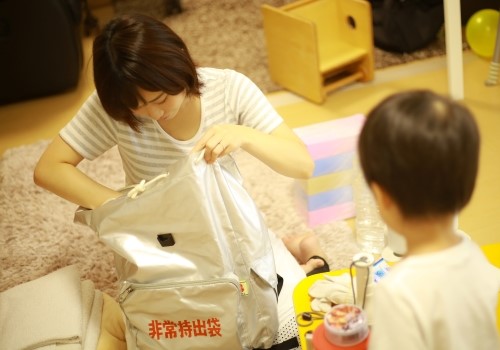
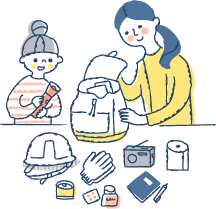
The first important step is preparing an “emergency go-bag.” In addition to general disaster-prevention supplies, it is recommended to include items such as the Maternal and Child Health Handbook, health insurance card, contact information for your maternity hospital, regular medications, and your maternity mark. Since the Maternal and Child Health Handbook and health insurance card are items you normally use on a daily basis, it may be difficult to keep them inside the emergency bag at all times. In such cases, it is also recommended to make copies of important pages and place them in the bag, or to take photos and save them on your phone.
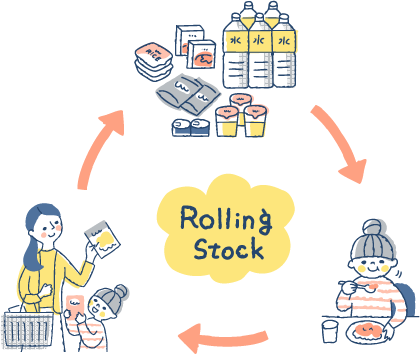
For households with children, in addition to the items mentioned above, be sure to prepare at least three days’ worth of formula, baby food, diapers, baby wipes, and changes of clothes. For food supplies, a method called “rolling stock” is recommended: keep a certain amount stored, use items with the earliest expiration dates first, and replace them regularly. This allows you to prepare efficiently without waste. In addition, even mothers who normally breastfeed may find it difficult to produce breast milk during disasters due to stress. Regardless of the feeding method, it is important to prepare a formula feeding set. Since electricity and gas may stop during emergencies and make it impossible to boil water, ready-to-feed liquid formula can be very useful.
Next, it is also important to confirm evacuation locations in advance. Check the evacuation shelters in your area and make sure they are suitable for pregnant women and families with infants. During evacuation, a baby carrier is convenient because it allows both hands to remain free. Whether nursing rooms are available at shelters depends on the municipality and the situation, so preparing a nursing cover is also recommended. In addition, if your home is safe, “sheltering at home” may also be an option. By increasing your stockpile of water, food, and power sources, you can extend the amount of time you are able to stay safely and comfortably at home.
Do not forget to prepare mentally as well. During disasters, anxiety and stress can place a heavy burden on both the mind and body. For pregnant women, it is especially important not to let the body become cold, to avoid overexertion, and to rest whenever possible. For small children, holding them close and speaking gently to them can provide reassurance. Words such as “That was scary, wasn’t it?” or “It’s okay because Mommy is here” can help calm a child’s heart. Preparing for disasters may feel overwhelming if you think everything must be perfect, but it is enough to start little by little with what you can do. Small preparations as an extension of everyday life can become a great source of strength in protecting your family. To protect the lives that matter most, why not begin taking one small step toward disaster preparedness starting today?
※ This column provides general disaster preparedness reference information. Depending on your individual circumstances, please consult your primary physician or your local government’s disaster preparedness office.