








Osteoporosis During Pregnancy and Lactation
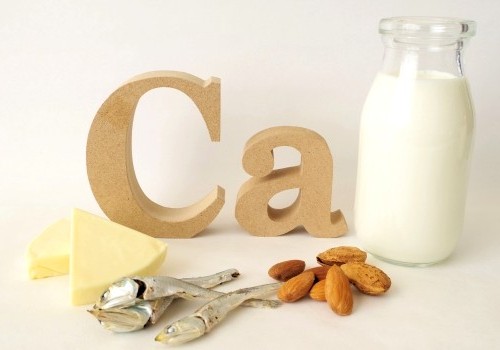
Have you ever heard of Pregnancy- and Lactation-Associated Osteoporosis (PLO)? Osteoporosis is not a condition that affects only older adults. Although rare, it can also develop during pregnancy or while breastfeeding.
During pregnancy, calcium is supplied to the developing baby, and during breastfeeding, calcium is delivered to the baby through breast milk. If a mother's dietary calcium intake is insufficient, the body compensates by drawing calcium from her own bones. Prolonged calcium deficiency may increase the risk of developing osteoporosis. In fact, cases have been reported in which mothers experienced compression fractures of the thoracic spine during the breastfeeding period, limiting their ability to hold their babies or forcing them to discontinue breastfeeding.
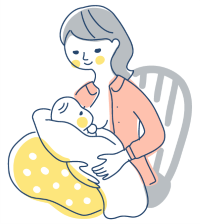
According to the Ministry of Health, Labour and Welfare, activated vitamin D and estrogen levels increase during pregnancy, which enhances calcium absorption. For this reason, it is stated that additional calcium intake is not necessarily required during pregnancy or lactation. However, many Japanese women do not meet the recommended calcium intake even under normal circumstances, so it is advisable to make a conscious effort to consume slightly more calcium than before pregnancy.
Here are some examples of how to meet your daily calcium needs. The recommended daily calcium intake for adult women is approximately 650 mg. The approximate calcium content of some common foods is as follows:
- 1 glass (200 mL) of milk: approximately 220 mg of calcium
- 1 serving of yogurt: approximately 120 mg of calcium
- Calcium-fortified cheese: approximately 150–200 mg of calcium

Aiming to consume a little over 200 mg of calcium per meal can make it easier to meet your daily requirement.
Calcium absorption is enhanced when taken together with vitamin D. It is also important to include foods such as fish and mushrooms in your diet and to get moderate sunlight exposure.