








About Maintaining Gut Health
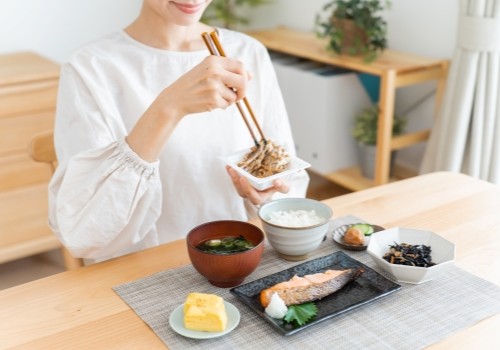
You may often hear about health practices these days. Around 70% of the body’s immune cells are concentrated in the intestines, and an imbalance in the intestinal environment can reduce the function of the immune system. For example, hay fever, which is a typical modern condition that affects many people especially during this season, occurs when the body overreacts to even a small amount of pollen, which is normally harmless. This is the mechanism of hay fever.
The relationship between the intestinal environment and immunity has been attracting attention, and some people are becoming more conscious of gut health as part of their lifestyle habits. In addition, some people also pay attention to their intestinal environment as part of managing their health while trying to conceive, during pregnancy, and while breastfeeding.
There are many benefits that pregnant women may gain from improving gut health.。
- Constipation is more likely to occur due to pressure from the enlarged abdomen, diet, and hormonal balance.
- Resistance may decrease, making infections more likely.
- The skin may also become more sensitive, making skin problems more likely to occur.
- After morning sickness improves, appetite may increase, making it easier to gain weight.
The condition of the intestines is very important in helping to address these issues.

The intestines of a baby in the womb are actually sterile. During childbirth, the baby first comes into contact with the mother’s intestinal bacteria, and afterward, through exposure to various bacteria, the baby’s own intestinal microbiota develops. In other words, the mother’s intestinal bacteria that the baby first encounters can also influence the baby.
It is said that about 100 trillion bacteria of around 1,000 different types exist in our intestines. In addition to consuming bifidobacteria and lactic acid bacteria, taking foods such as dietary fiber, which serves as food for beneficial bacteria, at the same time can create a synergistic effect and help improve the intestinal environment more effectively. It may also be helpful to eat root vegetables and beans together with fermented foods, or to replace staple white rice with multigrain rice. In addition, the umami components of “dashi” are the taste of amino acids, which are important nutrients that help build the body, including muscles and bones. In fact, the intestines also have taste receptors, so when they detect “umami = dashi,” the signal is transmitted to the brain via the vagus nerve, creating a feeling of fullness. Please try making miso soup with plenty of ingredients using delicious dashi.

Here are three key points for choosing foods that support good gut health.
- Avoid single-item meals such as rice bowls or ramen (aim for a well-balanced diet)
- Add side dishes (choose foods rich in dietary fiber such as salads, as well as fermented foods like pickles and kimchi)
- Choose rice instead of noodles or bread (if you would like to eat bread, choose whole grain bread)
Lastly, keeping the intestines active is also very important. Try to make walking for about 30 minutes a day a habit to help improve bowel movements.